
Skip to main content Accessibility help
×
  • Cited by 1
    • Show more authors
    • You may already have access via personal or institutional login
    • Select format
    • Publisher:
      Cambridge University Press
      Publication date:
      09 January 2025
      23 January 2025
      ISBN:
      9781009551151
      9781009551113
      Dimensions:
      (229 x 152 mm)
      Weight & Pages:
      0.57kg, 262 Pages
      Dimensions:
      Weight & Pages:
    You may already have access via personal or institutional login
  • Selected: Digital
    Add to cart View cart Buy from Cambridge.org

    Book description

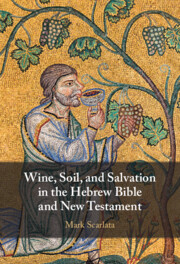
    Biblical authors used wine as a potent symbol and metaphor of material blessing and salvation, as well as a sign of judgement. In this volume, Mark Scarlata provides a biblical theology of wine through exploration of texts in the Hebrew Bible, later Jewish writings, and the New Testament. He shows how, from the beginnings of creation and the story of Noah, wine is intimately connected to soil, humanity, and harmony between humans and the natural world. In the Prophets, wine functions both as a symbol of blessing and judgement through the metaphor of the cup of salvation and the cup of wrath. In other scriptures, wine is associated with wisdom, joy, love, celebration, and the expectations of the coming Messiah. In the New Testament wine becomes a critical sign for the presence of God's kingdom on earth and a symbol of Christian unity and life through the eucharistic cup. Scarlata's study also explores the connections between the biblical and modern worlds regarding ecology and technology, and why wine remains an important sign of salvation for humanity today.

    Reviews

    ‘Scarlata has offered a comprehensive and engaging treatment of an unexpected topic. He roots the central biblical and theological symbol of wine in the daily reality of Iron-Age Israelites, first-century Jews, and early Christians, and further, he shows its import in our own time of ecological crisis and fresh agrarian thinking. Viewed from the perspective of viticulture, texts that are perhaps overly familiar (e.g., ‘I am the vine’) sound as fresh and as surprising as they were meant to sound to Jesus’ contemporaries.’

    Ellen F. Davis - Amos Ragan Kearns Distinguished Professor of Bible and Practical Theology, Duke Divinity School

    Refine List

    Actions for selected content:

    Select all | Deselect all
    • View selected items
    • Export citations
    • Download PDF (zip)
    • Save to Kindle
    • Save to Dropbox
    • Save to Google Drive

    Save Search

    You can save your searches here and later view and run them again in "My saved searches".

    Please provide a title, maximum of 40 characters.
    ×

    Contents

    Metrics

    Full text views

    Total number of HTML views: 0
    Total number of PDF views: 0 *
    Loading metrics...

    Book summary page views

    Total views: 0 *
    Loading metrics...

    * Views captured on Cambridge Core between #date#. This data will be updated every 24 hours.

    Usage data cannot currently be displayed.

    Accessibility standard: Unknown

    Why this information is here

    This section outlines the accessibility features of this content - including support for screen readers, full keyboard navigation and high-contrast display options. This may not be relevant for you.

    Accessibility Information

    Accessibility compliance for the PDF of this book is currently unknown and may be updated in the future.